The Ultimate Guide to Child Development Milestones
Embarking on the journey of child development is like diving into a mesmerizing whirlpool of growth, discovery, and wonder. As parents, caregivers, or educators, understanding the significance of child development milestones is paramount in providing the right support and guidance for our little ones. In this comprehensive guide, we will delve into the enchanting world of child development milestones, exploring the pivotal markers in physical, cognitive, social, and emotional growth.
From the first breathtaking smile to the initial steps taken with wobbly legs, we will unravel the key milestones in physical development that shape a child's journey. But wait, there's more! Get ready to peek inside the magical realm of cognitive development, witnessing the extraordinary capabilities of a child's mind as it expands and flourishes. And that's not all – we will also explore the intricate tapestry of social and emotional milestones, essential for nurturing healthy relationships and building strong foundations. Plus, we'll equip you with practical tips and strategies for fostering and encouraging child development right in the comfort of your home. Welcome to a world where every milestone is a marvel and every moment is a masterpiece in the making!
From the first breathtaking smile to the initial steps taken with wobbly legs, we will unravel the key milestones in physical development that shape a child's journey. But wait, there's more! Get ready to peek inside the magical realm of cognitive development, witnessing the extraordinary capabilities of a child's mind as it expands and flourishes. And that's not all – we will also explore the intricate tapestry of social and emotional milestones, essential for nurturing healthy relationships and building strong foundations. Plus, we'll equip you with practical tips and strategies for fostering and encouraging child development right in the comfort of your home. Welcome to a world where every milestone is a marvel and every moment is a masterpiece in the making!
Understanding the Importance of Child Development Milestones
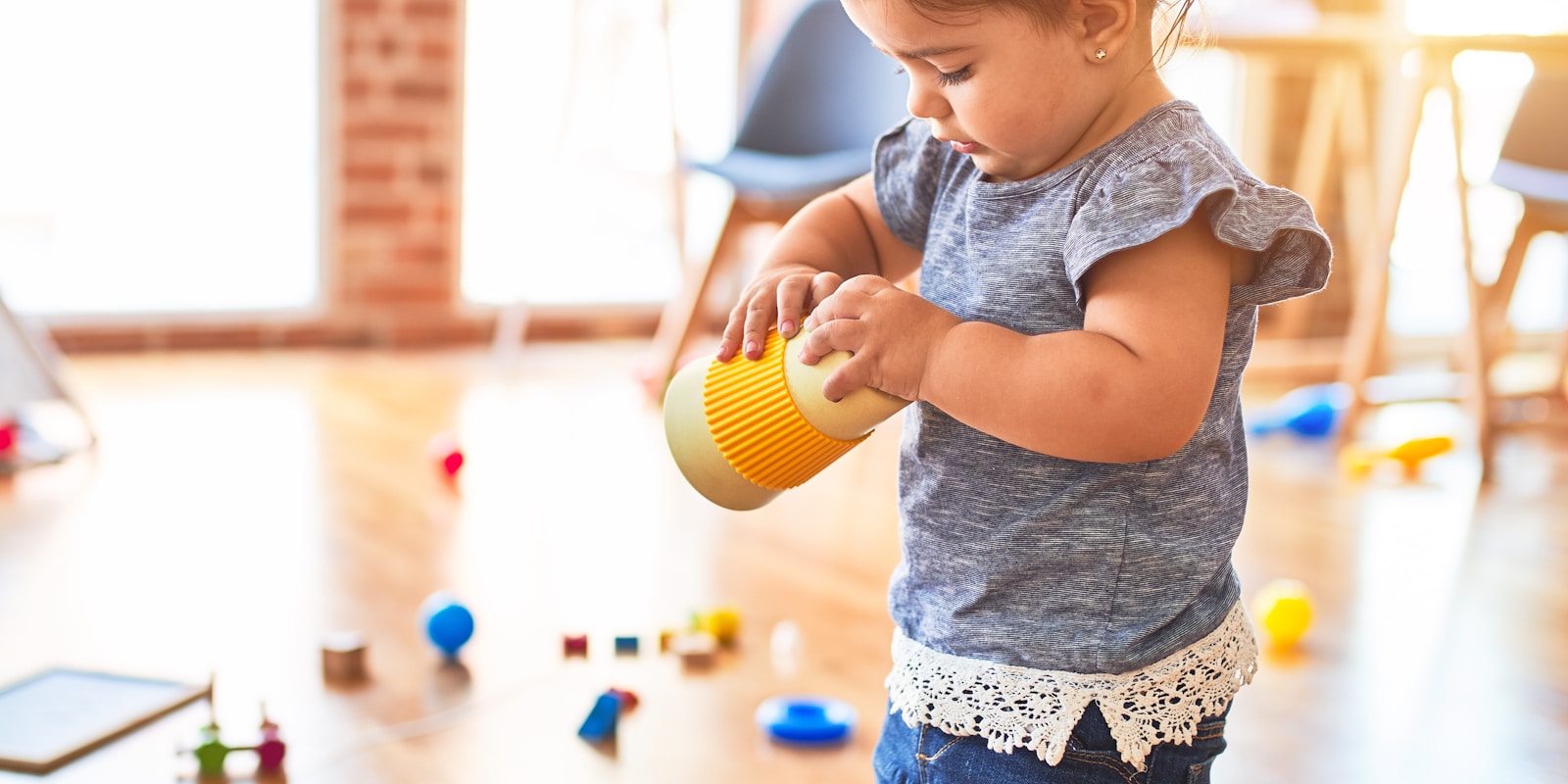
Child development milestones are key indicators of a child's growth and progress across various areas such as cognitive, social, emotional, and physical development. These milestones represent significant achievements that children should reach by a certain age. Understanding the importance of child development milestones is crucial as it allows parents, caregivers, and educators to monitor a child's progress, identify potential delays or concerns early on, and provide appropriate support and intervention when needed.
Tracking child development milestones can offer valuable insights into a child's overall well-being and functioning. For instance, achieving developmental milestones can indicate that a child is on the right path towards healthy growth and learning. On the other hand, delays in reaching these milestones could be an early sign of underlying issues that may require further evaluation and early intervention.
Moreover, child development milestones serve as a roadmap for parents and caregivers, helping them set realistic expectations for their child's growth and development. By understanding what skills and abilities children typically acquire at different ages, adults can create a nurturing environment that supports and encourages progress in these areas.
Furthermore, celebrating each milestone achieved by a child can boost their self-esteem and motivation to learn and explore the world around them. Recognizing and praising a child's accomplishments can foster a positive sense of achievement and competence, shaping their confidence and resilience as they navigate through various developmental stages.
In conclusion, child development milestones play a crucial role in monitoring a child's progress, identifying potential concerns, setting expectations, and fostering a positive learning environment. By recognizing the importance of these milestones and actively engaging with a child to support their growth and development, caregivers can contribute significantly to promoting their overall well-being and success both in childhood and beyond
Key Milestones in Physical Development of Children
During the early years of a child's life, they go through significant physical development milestones that lay the foundation for their overall growth and well-being. These key milestones not only mark important stages in a child's physical development but also play a crucial role in shaping their cognitive and emotional development.
One of the primary physical development milestones is motor skills development. Infants start by developing their gross motor skills, such as lifting their head, rolling over, sitting up, crawling, and eventually walking. These milestones help improve their muscle strength, coordination, and balance. As children grow older, they also refine their fine motor skills, like picking up small objects, drawing, buttoning clothes, and tying shoelaces. The mastery of these skills is essential for tasks such as writing, drawing, and engaging in various daily activities.
Another crucial physical milestone in child development is sensory development. Children explore the world around them through their senses, including touch, sight, sound, taste, and smell. As they grow, their sensory experiences become more refined, helping them understand and interact with their environment better. Sensory development also plays a vital role in establishing connections in the brain and enhancing cognitive abilities.
Furthermore, as children progress through different physical development milestones, they also experience growth spurts, changes in body proportions, and improvements in their overall physical abilities. These milestones are closely linked to nutrition, exercise, and overall health, highlighting the importance of a healthy lifestyle in supporting a child's physical development.
In conclusion, understanding the key milestones in the physical development of children is essential for parents, caregivers, and educators to provide adequate support and create an environment that nurtures healthy growth and development. By recognizing and encouraging these milestones, we can help children reach their full potential and thrive physically, cognitively, and emotionally
Cognitive Development: Unraveling the Wonders of a Child's Mind
Child development is a fascinating journey marked by various milestones that showcase a child's growth and progress. One key aspect of this journey is cognitive development, which pertains to the mental processes that enable children to think, learn, and understand the world around them.
During the early years of a child's life, cognitive development plays a crucial role in shaping their abilities and skills. From infancy to adolescence, children go through significant changes in their cognitive abilities, impacting how they perceive, reason, problem-solve, and remember information.
As children grow and mature, they begin to exhibit cognitive milestones that reflect their expanding cognitive abilities. For instance, infants start by exploring the world through their senses and gradually develop object permanence – the understanding that objects continue to exist even when they are out of sight. As they reach toddlerhood, children engage in symbolic play, demonstrate a growing vocabulary, and start to understand cause and effect relationships.
Moving into the preschool and school-age years, children's cognitive skills become more sophisticated. They develop the ability to categorize objects, solve simple problems logically, and engage in more complex forms of play. Cognitive milestones during this period include symbolic thinking, the use of imagination, memory recall, and basic mathematical concepts.
During adolescence, cognitive development continues to advance, with teenagers exhibiting higher-order thinking skills such as abstract reasoning, problem-solving, and critical analysis. They also develop a stronger sense of self-awareness, empathy, and moral reasoning.
Understanding cognitive development in children is essential for parents, educators, and caregivers as it provides insights into how children perceive and interact with the world. By recognizing and supporting cognitive milestones, adults can help nurture children's intellectual growth, encourage their curiosity, and foster a lifelong love for learning. Embracing and celebrating the wonders of a child's mind not only enhances their cognitive development but also lays a solid foundation for their overall well-being and success
Social and Emotional Milestones: Nurturing Healthy Relationships
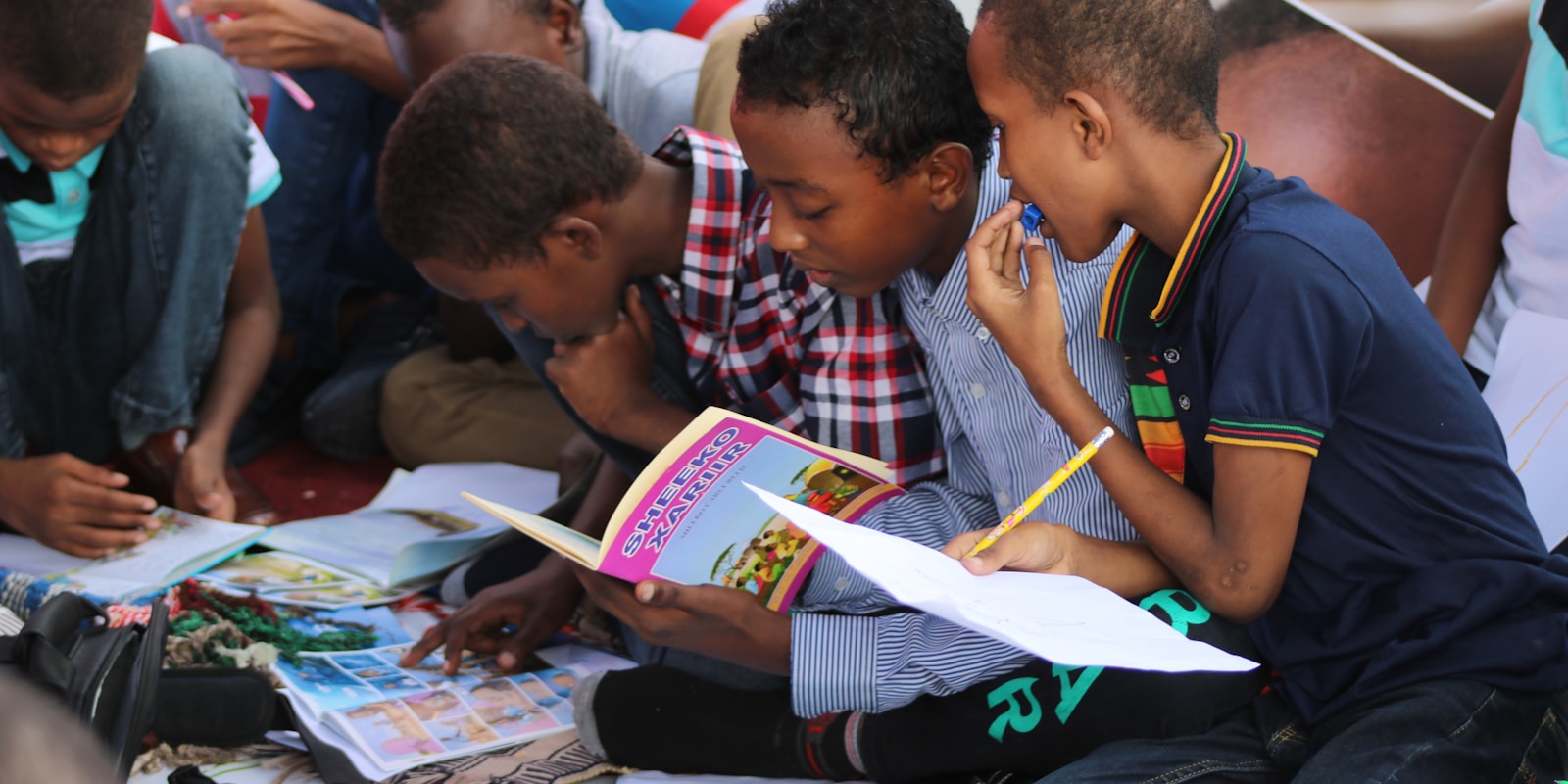
Social and emotional milestones play a vital role in shaping a child's ability to form healthy relationships throughout their lives. These milestones are key indicators of a child's overall well-being and are crucial in their development of empathy, communication skills, and self-regulation.
From a young age, children begin to learn how to interact with others and understand different emotional cues. Infants start by recognizing facial expressions and learning to respond to basic emotions like joy or distress. As they grow into toddlers and preschoolers, they start to grasp more complex emotions and learn to express their own feelings.
Nurturing healthy relationships at this stage involves providing a supportive environment where children feel safe to express themselves and explore their emotions. Parents and caregivers play a crucial role in modeling positive behaviors and teaching children how to navigate conflicts and resolve differences peacefully.
As children progress through childhood and into adolescence, their social and emotional milestones continue to evolve. They start to form deeper friendships, navigate more complex social dynamics, and develop a stronger sense of empathy and compassion towards others.
Encouraging healthy relationships during these stages involves fostering open communication, respecting boundaries, and promoting empathy and understanding. By providing children with the necessary tools and support to navigate their social and emotional development, we can help them build strong and meaningful relationships that will benefit them throughout their lives
Supporting and Encouraging Child Development at Home
Child development is a fascinating journey filled with important milestones that shape a child's cognitive, emotional, social, and physical growth. As parents, caregivers, or educators, we play a significant role in supporting and encouraging these developments, especially within the comfort of our homes. By creating a nurturing environment and implementing intentional activities, we can enhance a child's learning experiences and help them reach their full potential.
One of the key ways to support child development at home is through play. Play is essential for children as it helps them explore the world around them, develop their creativity, build problem-solving skills, and enhance their social interactions. Providing a variety of toys, games, and activities that are both fun and educational can stimulate different areas of a child's development.
Another crucial aspect of encouraging child development at home is through consistent routines and positive reinforcement. Establishing daily routines for meals, bedtime, playtime, and learning activities can give children a sense of security and predictability, which is essential for their overall well-being. Celebrating small achievements and offering praise and encouragement can boost a child's self-esteem and motivation to learn and grow.
Creating a language-rich environment is also vital for supporting a child's development. Engaging children in conversations, reading books together, singing songs, and exposing them to a variety of vocabulary can enhance their language skills and literacy development. Encouraging children to express their thoughts and feelings openly can also promote healthy emotional development and communication skills.
In addition to these strategies, providing opportunities for physical activity, exploration, and independence can further support a child's development at home. Allowing children to engage in messy play, outdoor adventures, and simple tasks that promote autonomy can help them build gross and fine motor skills, coordination, and a sense of accomplishment.
Ultimately, supporting and encouraging child development at home requires patience, consistency, and a deep understanding of each child's unique needs and interests. By creating a nurturing and stimulating environment, offering positive reinforcement, and providing various opportunities for growth and exploration, we can help children thrive and reach their developmental milestones with confidence and success
Conclusion
In conclusion, understanding child development milestones is crucial for parents, caregivers, and educators to provide the necessary support for children's growth. From the physical milestones like the first smile to cognitive advancements that showcase a child's expanding mind, each stage plays a vital role. Moreover, social and emotional milestones are key in fostering healthy relationships and building strong foundations for the future. By recognizing and nurturing these milestones, we can ensure that every moment is a masterpiece in the making, guiding children towards a bright and fulfilling future. Remember, in the enchanting world of child development, every milestone is a marvel waiting to be celebrated